


The Montrose, Crescenta Valley, La Canada Flintridge, Verdugo Park Guide to Choosing the Right Method
If you love how a blazer holds its shape, how a silk dress floats in photos, or how a duvet stays lofty, the cleaning method matters as much as the fabric. In Montrose, Crescenta Valley, La Canada Flintridge, Verdugo Park and the wider San Fernando Valley—where heat, dust, sunscreen, and car time team up against your wardrobe—the smart choice is not “clean vs. dirty,” it’s which process protects construction, color, and drape while keeping you comfortable and camera-ready.
This guide explains, in plain English, the difference between dry cleaning and professional wet cleaning, when each one shines, and how we decide—so you can get more wears from men’s and women’s pieces across suits, shirts, dresses, sportswear, leather trims, bedding, curtains, and special-occasion garments. You’ll also see what “eco-friendly” really means in California today, and why labels are law, not suggestions.
The short version
Dry cleaning uses a liquid cleaning bath without water, inside a closed machine with precise filtration and programmed agitation/temperature. It excels at protecting structure (canvases, fusibles, shoulder pads), maintaining lapel rolls and creases, and preventing water-related issues on dyes and adhesives. (California Air Resources Board)
Professional wet cleaning is not home washing. It’s a controlled, recipe-driven process using water with specialized detergents, very low mechanical action, staged drying, and form finishing (steam + vacuum + tension). It delivers superb hand/brightness for many garments labeled “dry-clean only” when dyes and construction allow. (California Air Resources Board)
In California, legacy perc (perchloroethylene) dry-cleaning machines were phased out by January 1, 2023. Modern plants (including those serving Montrose, Crescenta Valley, La Canada Flintridge, Verdugo Park) use alternative systems and wet cleaning where appropriate. That’s better for indoor air quality while keeping high garment standards. (California Air Resources Board)
The care label is the blueprint. U.S. rules require that garments carry either washing or dry-cleaning instructions. Pros treat that instruction as a hard constraint and then choose the safest effective method and finishing plan. (Federal Trade Commission)
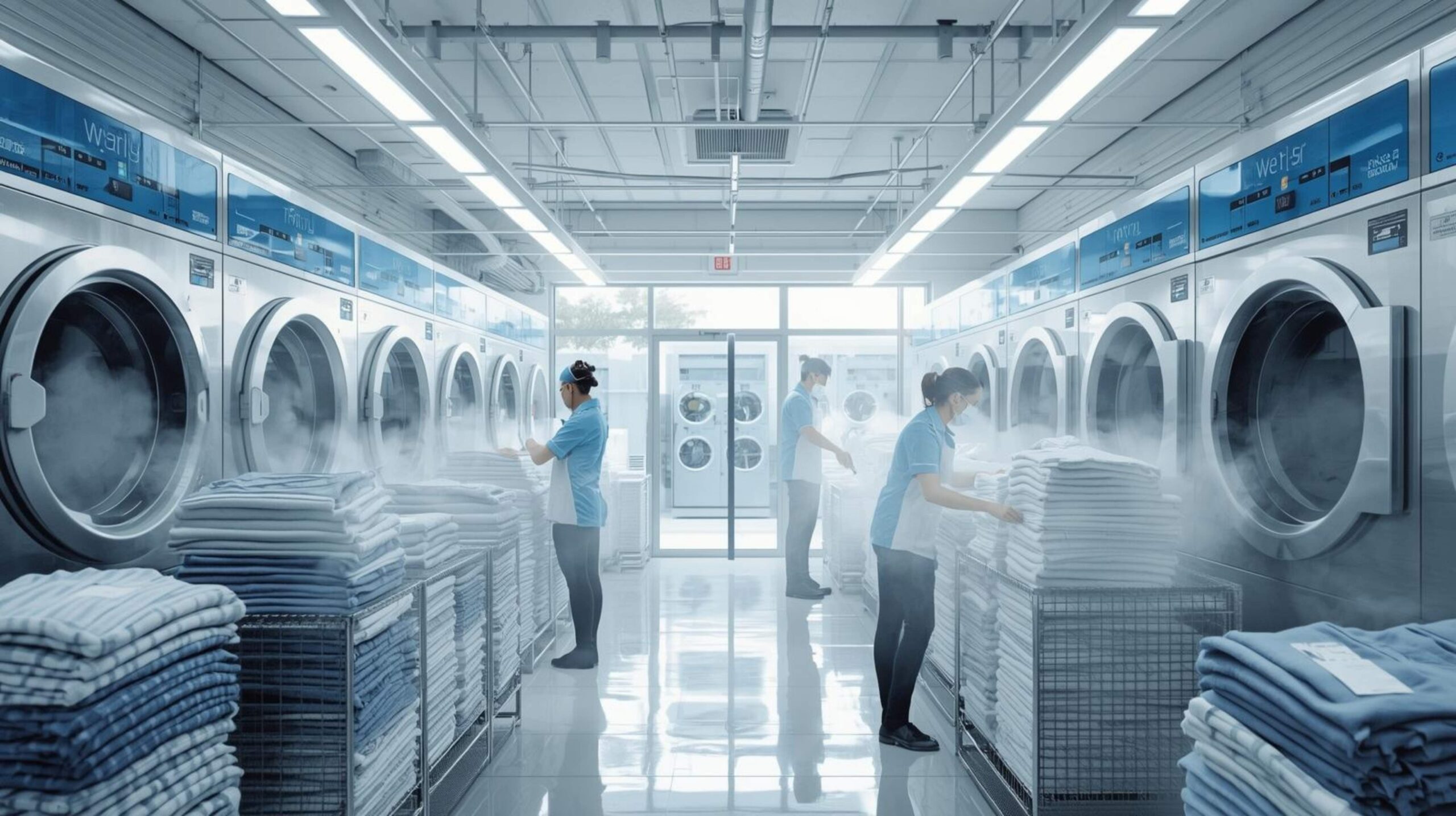
What “dry cleaning” really is (and why the name is confusing)
Dry cleaning isn’t “no liquid.” Garments are immersed in a liquid solvent (not water) inside a sealed machine with controlled detergency, temperature, mechanical action, and continuous filtration; they’re then dried in-machine under carefully managed conditions. The goal is to remove soils without swelling fibers, disturbing glues, delaminating interfacings, or shifting trims—problems that water can trigger on certain fabrics and constructions. This control is why structured pieces—jackets, blazers, tuxedos, uniform dress coats—come back crisp and balanced instead of collapsed or shiny. (California Air Resources Board)
California’s environmental policy changed the industry landscape: perc machines are no longer allowed as of Jan 1, 2023, after a long phase-out initiated in 2007. Cleaners transitioned to alternative technologies and widely adopted professional wet cleaning for eligible textiles. The headline for you: you can expect modern processes that pair garment protection with better environmental performance than the perc era. (California Air Resources Board)
What “professional wet cleaning” is (and why it’s not your washing machine)
Professional wet cleaning is a programmable system: water levels, drum motion, bath chemistry, and temperatures are tuned per fabric and dye class; drying is staged and humidity-controlled; finishing is done on forms with steam and vacuum to rebuild shape and drape. In California, demonstration programs and guidebooks have documented wet cleaning’s success for a wide range of garments when dyes are stable and construction is water-tolerant. Used correctly, it produces beautiful hand, color, and movement—often superior to older solvent methods for many items. (California Air Resources Board)
Manufacturers and trade groups echo the same definition: wet cleaning cleans textiles in water without organic solvents, but with professional equipment and finishing—not a home washer and iron. (Kreussler Inc., Electrolux Professional)
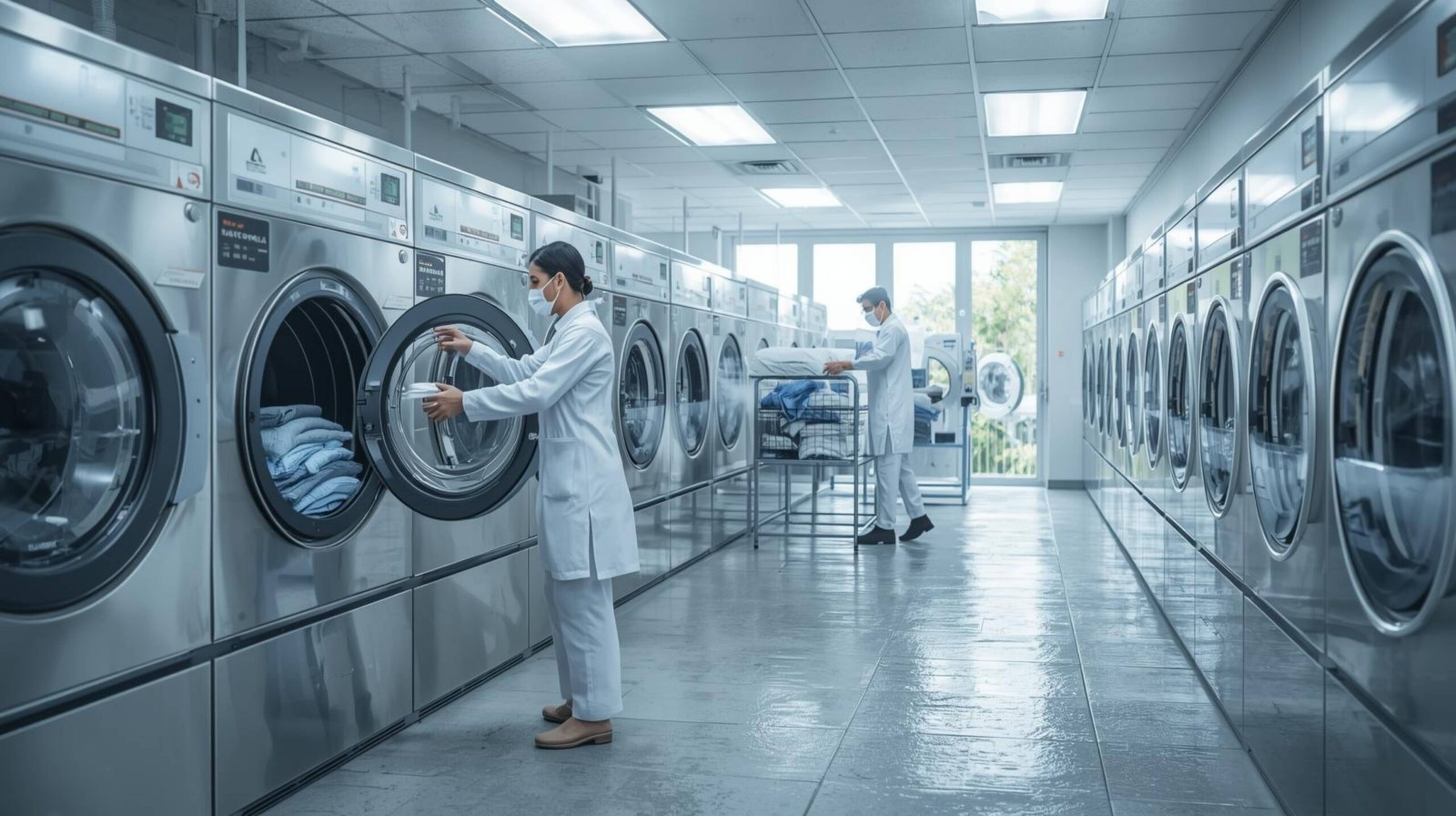
Montrose, Crescenta Valley, La Canada Flintridge, Verdugo Park reality check: heat, sunscreen, dust, and traffic
San Fernando Valley summers are hot and dry. Salts from sweat, body oils, and sunscreen migrate into collars, waistbands, and linings; if they aren’t removed properly, they oxidize (yellow), stiffen, and drive odor. Quick “freshen” passes at home rarely pull those soils from structured garments. Professional pre-spotting (by stain class), controlled cleaning (dry or wet), and form finishing prevent haloing, shine, or glue creep while keeping garments breathable for walks at the Montrose, Crescenta Valley, La Canada Flintridge, Verdugo Park Fashion Center, CSUN ceremonies, or patios in Porter Ranch and Granada Hills. (California Air Resources Board)
How we decide, step by step (the part you never see)
Read the label. The FTC Care Labeling Rule requires either a washing or dry-cleaning instruction. We treat it as non-negotiable. (Federal Trade Commission)
Identify the textile system. Fiber (silk, wool, linen, cotton, polyester, viscose/acetate), weave/knit, color class, interlinings, adhesives, trims, beads, sequins, leather/suede patches.
Test discreetly. Colorfastness and finish stability determine what’s safe.
Select the method. Alternative-solvent dry cleaning or professional wet cleaning. The choice is about risk management and outcome, not fashion.
Program variables. Time, temperature, mechanical action, chemistry, drying humidity.
Finish on form. Steam, vacuum, and tension rebuild architecture. DLI and equipment makers train on this because finishing is technical—and it’s where “new” lives. (dlionline.org, Laundry & Cleaning Today)
Side-by-side: where each method wins (Montrose, Crescenta Valley, La Canada Flintridge, Verdugo Park use cases)
Suits, blazers, tuxedos, uniform dress blues
Choose dry cleaning by default unless tests show a wet-tolerant build. Canvases and fusibles stay stable; lapel rolls and creases reset without shine. (Finishing gear—form finishers, vacuum tables—is the unsung hero.) (dlionline.org)
Silk, satin, taffeta, viscose/acetate evening wear
Usually dry cleaning per label to avoid water rings and dye bleed; sometimes wet cleaning shines after color tests. Either way, pre-spot sequencing (tannin vs oil vs protein) is the difference between “perfect” and “permanent ring.” Labels are law. (Federal Trade Commission)
Wool knits, cashmere, fine wovens
Either, based on label and tests. Wet cleaning can deliver remarkable hand and brightness; dry cleaning protects form and minimizes felting risk if agitation/heat are mis-set. (California Air Resources Board)
Technical sportswear, high-performance blends
Often wet cleaning to rinse salts/oils without solvent residue; finishing restores shape without glazing synthetics.
Down comforters, duvets, bulky bedding, curtains/drapes
Wet cleaning in large-capacity machines with staged drying prevents clumping, seam stress, and skew; finishing resets drape and hems.
Leather, suede, nubuck or mixed-media garments
Specialty leather process (not household solvents). Clean, then re-oil/condition; suede is re-napped and protected. (Leather trims attached to fabric panels influence the main method choice.)
Beads, sequins, bonded satins, metallic threads
Usually dry cleaning with protection and low-heat finishing; water can delaminate adhesives or cloud finishes. Label and tests rule here. (Federal Trade Commission)
The “eco” question—without the greenwashing
Perc is gone in California. The state identified it as a toxic air contaminant and completed the phase-out by Jan 1, 2023. You should expect modern alternatives and wet cleaning where safe—full stop. (California Air Resources Board)
Wet cleaning is proven. California’s programs and guidebooks document field success; agencies even supported demonstration sites so cleaners could see equipment in action. (California Air Resources Board)
Alternative solvents differ. Hydrocarbon and silicone (D5) systems are used in closed machines with filtration and controls. The right method is garment-driven, not marketing-driven; wet cleaning is often preferred when labels and construction allow. (Electrolux Professional)
If a cleaner claims “eco-friendly” but can’t explain how they choose between methods—or how they finish—they’re hand-waving. Ask for the decision logic.
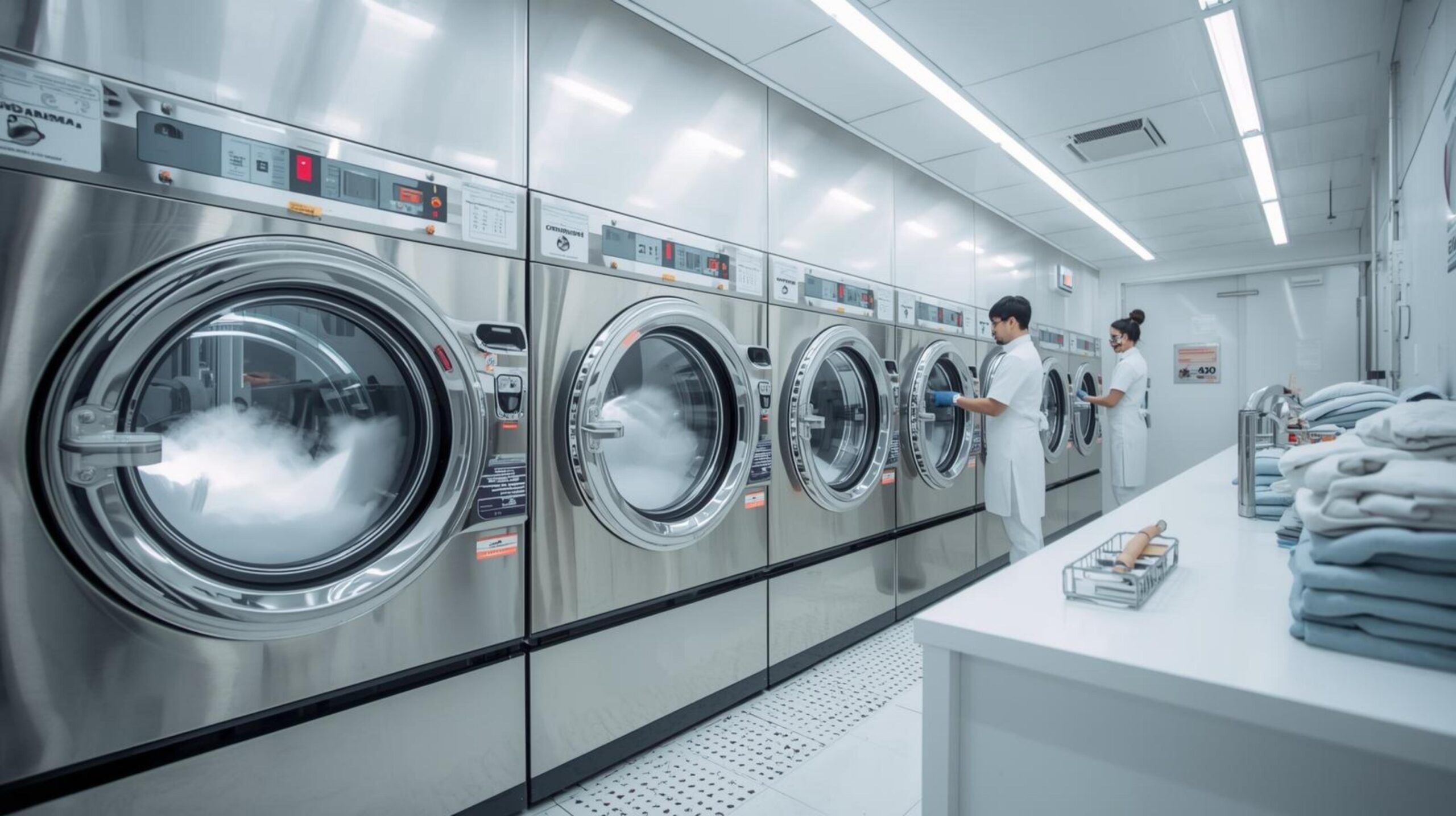
Maintenance playbook (so you get more wears per dollar)
Rotate and rest. Give suits a day off between wears so moisture dissipates and fibers recover.
Blot, don’t rub. Rubbing drives pigments deeper and abrades fibers; heat sets stains.
Tell us the story. “Wine at 8 p.m., left lapel” beats guessing; stain class + time elapsed sets the chemistry and avoids halos.
Seasonal refresh. After Valley summer (sweat, sunscreen, patios from Woodland Hills to Van Nuys), clean structured garments so salts and oils don’t oxidize. Before winter parties, refinish velvets and satins.
Store smart. Wide hangers for jackets; breathable covers, not sealed plastic; acid-free materials for bridal and heirlooms.
Pair care with alterations. A micro waist nip or sleeve re-set can multiply the visual payoff of great finishing on men’s shirts, women’s dresses, coats, jackets, blazers, and uniforms.
FAQs we hear from Montrose, Crescenta Valley, La Canada Flintridge, Verdugo Park customers
Is dry cleaning really “dry”?
No. It uses a liquid solvent without water, inside a closed machine. The “dry” part refers to “no water in the bath,” not “no liquid.” (California Air Resources Board)
Is wet cleaning just high-end washing?
No. It’s a controlled, programmable process with specialized detergents, low mechanical action, humidity-managed drying, and form finishing—validated by California’s programs. (California Air Resources Board)
Did California really ban perc?
Yes. The state’s Air Resources Board finalized a phase-out that ended perc dry-cleaning equipment use by Jan 1, 2023. (California Air Resources Board)
If my label says “dry clean,” can you still wet clean it?
Sometimes, after tests—and only if we’re confident dyes/finishes and construction will remain stable. The care label is our starting line, and U.S. rules require it to specify a safe routine method. (Federal Trade Commission)
Why do my clothes look “new” after professional care?
Because finishing is engineering, not cosmetics: steam, vacuum, and tension rebuild the garment’s architecture. That’s why lapels roll, hems hang square, and satin doesn’t glaze. (dlionline.org)
Local logistics: make it easy on yourself (and your clothes)
We serve Montrose, Crescenta Valley, La Canada Flintridge, Verdugo Park and nearby neighborhoods—Deer Lake Highlands, Porter Ranch, Granada Hills, Chatsworth, Canoga Park, Woodland Hills, Reseda, Tarzana, Panorama City, Van Nuys, Mission Hills, plus the CSUN and Montrose, Crescenta Valley, La Canada Flintridge, Verdugo Park Fashion Center areas. We schedule early/late pickup and drop-off to dodge 118/405/101 traffic and summer heat; garments travel hung and supported so they don’t crease or “bake” in hot cars.
What to bring on your first visit
Garment(s) plus matching pieces (jacket + pants/skirt together).
The story of any stains (wine, coffee, oil, grease, ink, blood, odor, smoke, pet, urine) and when they happened.
Event dates (wedding, prom, gala) if you need same-day or next-day care; we’ll prioritize high-impact steps (pre-spot, method, finishing) and confirm realistic timing.
How we keep this real (and current)
Perc phase-out & rules: California Air Resources Board documentation and updates confirm that perc dry-cleaning machines and related equipment were phased out by Jan 1, 2023. (California Air Resources Board)
Care labels: The FTC’s Care Labeling Rule requires either washing or dry-cleaning instructions; that’s our blueprint for safe cleaning. (Federal Trade Commission)
Wet cleaning validation: CARB/UCLA guidebooks and demonstration sites document methods, equipment, and outcomes; credible manufacturer and professional resources describe the process. (California Air Resources Board, Kreussler Inc.)
Finishing standards: DLI’s training resources and industry equipment guidance emphasize proper form-finishing and vacuum pressing—why your garments look “just-bought” after service. (dlionline.org, Laundry & Cleaning Today)
front-lot access; evening fittings by appointment.