



A Montrose, Crescenta Valley, La Canada Flintridge, Verdugo Park Guide to Real Garment Care
Dry cleaning isn’t about avoiding liquids; it’s about control—of chemistry, temperature, moisture, and mechanics—to clean delicate garments while protecting their shape, color, and construction. In Montrose, Crescenta Valley, La Canada Flintridge, Verdugo Park and across the San Fernando Valley, that control matters even more: long, warm summers, sunscreen, dust, and car time on the 118/405/101 create soils that ordinary washers and home sprays don’t handle well. Professional dry cleaning (and its modern partner, professional wet cleaning) keeps suits crisp, silk dresses luminous, tuxedos camerasharp, and household textiles like duvets and drapes fresh without warping, shrinking, or glazing.
Below is the straight talk: what dry cleaning is, how it compares to wet cleaning, what “green” actually means today, when to use which method, and how to get more wears out of everything—whether you live near Deer Lake Highlands and Porter Ranch, head to classes at CSUN, shop the Montrose, Crescenta Valley, La Canada Flintridge, Verdugo Park Fashion Center, or commute from Granada Hills, Chatsworth, Canoga Park, Woodland Hills, Reseda, Tarzana, Panorama City, Van Nuys, or Mission Hills.
The process: what really happens
Intake & label read
We start with the care label—your garment’s blueprint for safe routine care. Labels state either a washing or a dry-cleaning instruction; pros treat those as hard constraints and choose the safest, effective path accordingly.
Pre-spot by soil class
Wine (tannin), coffee (tannin/protein), oil/grease (lipid), ink (dye), blood (protein/iron) require different agents, order, and neutralization. Goal: remove soil without halos, texture damage, or dye bleed—especially on sheer, delicate, silk, linen, and wool pieces.
Controlled cleaning
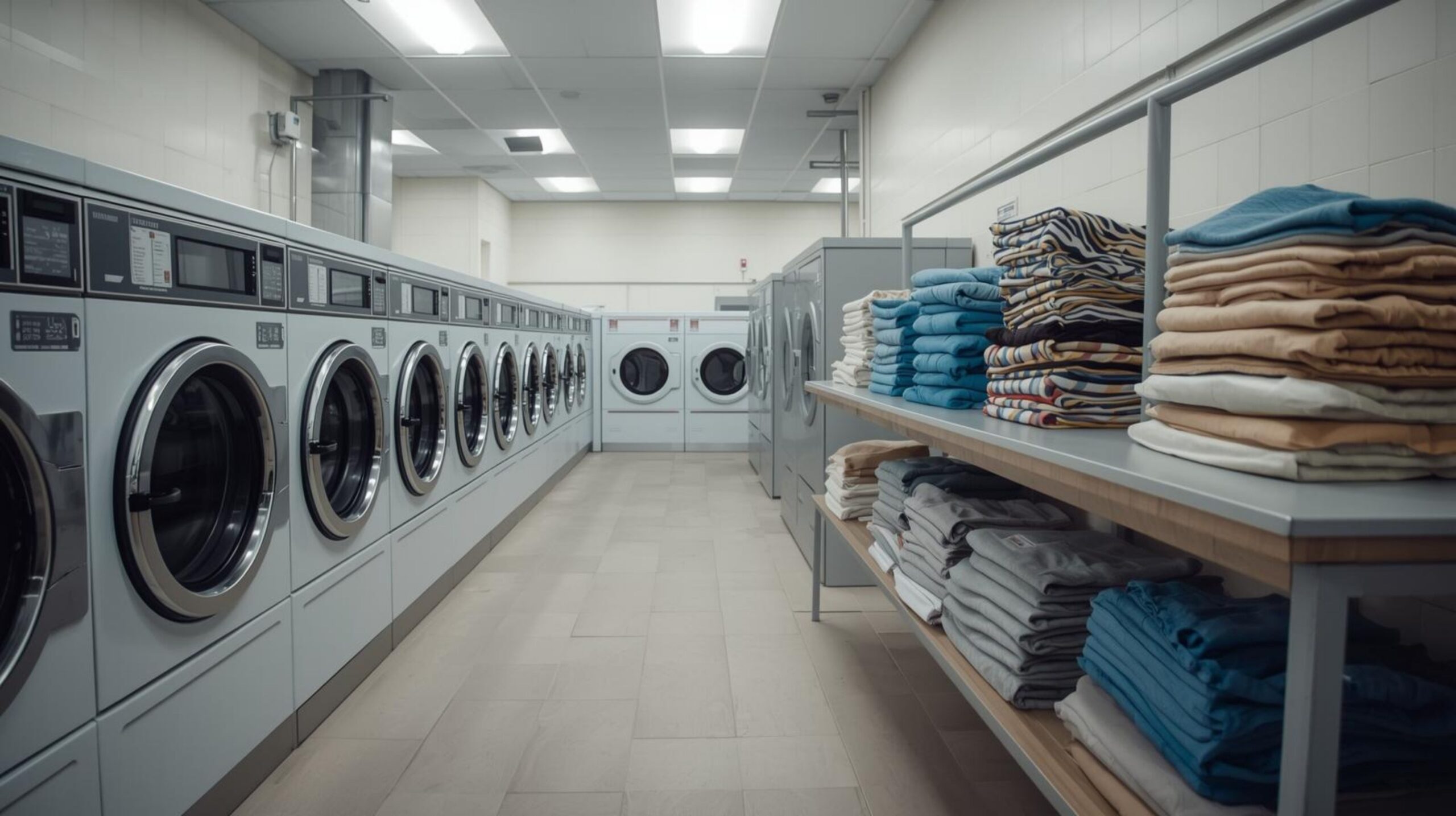
Despite the name, garments are immersed in a liquid solvent (not water) inside a closed machine with precise detergency, filtration, and distillation to keep solvent pure and soils away from your clothes; then they’re dried in-machine under controlled heat/airflow so seams, interfacings, and trims stay stable. This isn’t a kitchen project.
Form finishing
Steam, vacuum, and tensioning restore architecture: a blazer’s lapel roll, crisp trouser creases, smooth satin without shine. Finishing is technical, not cosmetic.

“Eco-friendly” today: what changed in California
California completed the phase-out of perchloroethylene (perc) dry-cleaning machines on January 1, 2023. Modern shops rely on alternative systems and professional wet cleaning where garments and labels allow—improving indoor air quality while maintaining high standards for garment outcomes.
Professional wet cleaning deserves special attention. It isn’t “home washing.” It’s programmable cleaning with tightly controlled water levels, gentle mechanical action, specialized detergents, staged drying, and form finishing. Used correctly, it safely handles many “dry-clean only” garments when dye stability and construction permit, often delivering excellent hand/brightness.
Dry cleaning vs. wet cleaning: a decision framework
Structured suiting (jackets, blazers, tuxedos)
• Choose dry cleaning in alternative-solvent systems by default.
• Wet cleaning is case-by-case after tests. Preserve canvases, fusibles, and lapel roll; finish on form.
Silk, satin, viscose/acetate evening wear
• Dry cleaning protects against water ringing and dye bleed.
• Wet cleaning only after colorfast tests and trim checks.
Wool knits, cashmere, fine wovens
• Either method based on label/tests. Pick the path that preserves hand and resilience.
Beads, sequins, bonded satins, metallic threads
• Often dry cleaning; sensitive trims/adhesives favor low-moisture control.
Down comforters, duvets, bulky bedding
• Professional wet cleaning with large capacity and staged drying to prevent clumping and seam stress.
Leather, suede, nubuck
• Specialty leather processes (clean, then re-oil/condition; re-nap suede). No household solvents.
The professional skill isn’t a single machine—it’s the decision tree: read the label, test dyes/finishes, pick the method, control variables, then finish on form. That’s how fashion maintenance (not just stain removal) extends the life of your wardrobe.
Green claims, without the greenwashing
- Perc is out in California: this is law, not marketing. If you haven’t visited a cleaner in years, the tech has changed.
• Wet cleaning is validated: demonstration programs and guidebooks document successful outcomes and adoption.
• Alternative solvents vary (hydrocarbon, silicone/D5). The takeaway: method choice is garment-driven, with wet cleaning preferred when labels and construction allow.
• If an “eco” claim doesn’t come with a method explanation (wet cleaning vs alternative solvent) and garment testing, it’s noise. Ask how your cleaner decides—and how they finish.
Valley factors: heat, sunscreen, dust, traffic
In Montrose, Crescenta Valley, La Canada Flintridge, Verdugo Park, arid summer heat accelerates odor and yellowing as sweat salts and oils oxidize in linings and collars. Sunscreen is an oilclass soil that halos silk and stains leather straps. Postevent “freshen” sprays don’t pull residues from structured garments; professional prespot + controlled cleaning prevents permanent discoloration and smells. Plan pickups to avoid hot car interiors so garments don’t bake en route from Porter Ranch, Granada Hills, or Chatsworth.

What to send to a professional (and why)
Suits, blazers, tuxedos, uniform dress blues
• Canvas, fusibles, and shoulder structures want controlled moisture/heat. Professional finishing restores architecture so jackets don’t collapse and cuffs show clean shirt reveal.
Silk, satin, chiffon, tulle—event wear
• These fabrics show everything: pin marks, rings, shine. Sequenced stain removal, trim protection, and vacuum pressing keep gowns camera-ready.
Shirts & delicate blouses
• Collars/cuffs accumulate oil and dust; label-aligned care and correct pH keep color true.
Household items
• Down comforters, duvets, blankets, curtains, drapes benefit from large-capacity machines, staged drying, and form finishing so baffles don’t clump and hems stay square.
Leather & suede
• Specialty processes clean, re-oil/condition, and re-nap (suede) to keep hides supple. Avoid household solvents; they darken, stiffen, and permanently mark.
Maintenance playbook: cost-per-wear wins
- Rotate & rest: Suits last longer if they rest 24 hours between wears; fibers recover and odor dissipates.
- Blot, don’t rub: Rubbing drives pigment deeper and abrades fibers. Never iron over a spot.
- Tell us the story: “Coffee, 10 a.m., left lapel” is gold. Stain class + time elapsed guides the chemistry.
- Seasonal refresh: After Valley summer—sweat, sunscreen, patios—bring in lined garments so salts/oils don’t oxidize. Before winter holidays, refresh velvets/satins.
- Store smart: Wide hangers for jackets; breathable covers for long storage; acid-free materials for bridal/heirlooms.

Costs, value, and the “cheap vs best” trap
“Cheap” care is expensive when a fused front bubbles or a satin dress glazes under a hot soleplate. The real metric is cost per wear: clothes that maintain shape, color, and drape for seasons. Professional wet cleaning and modern finishing protect trims and reduce rework—especially on men’s suits, women’s silk dresses, technical sportswear, and household pieces.
Fast FAQs
Is dry cleaning “dry”?
No—garments are cleaned in a liquid solvent inside a closed machine. “Dry” refers to no water in the bath; finishing is steam/heat controlled.
Is perc still used?
Not in California: the state phased out perc dry-cleaning machines by Jan 1, 2023. Modern shops use alternative systems and, when possible, professional wet cleaning.
Is wet cleaning the same as home washing?
No. It’s programmable, low-mechanical-action cleaning with controlled chemistry and professional finishing.
Can you remove stubborn odors (smoke/pet/food) from structured garments?
Yes—pre-spot correctly and control moisture/temperature during cleaning and drying. Masking sprays aren’t maintenance.
Will frequent professional care wear clothes out?
Poor care does. Label-aligned, method-appropriate cycles preserve fibers, color, and construction; finishing on form resets drape without glaze.
Montrose, Crescenta Valley, La Canada Flintridge, Verdugo Park service map & logistics
We serve Montrose, Crescenta Valley, La Canada Flintridge, Verdugo Park and nearby neighborhoods—Deer Lake Highlands, Porter Ranch, Granada Hills, Chatsworth, Canoga Park, Woodland Hills, Reseda, Tarzana, Panorama City, Van Nuys, Mission Hills, plus the CSUN and Montrose, Crescenta Valley, La Canada Flintridge, Verdugo Park Fashion Center areas. We schedule early/late pickup and dropoff to dodge traffic and summer heat; garments travel hung and supported so they don’t crease in hot cars.
What to bring on your first visit
- Garment(s) and any matching pieces (jacket + pants/skirt together).
• What spilled, where, and when (wine, coffee, oil, grease, ink, blood, odor, smoke, pet, urine).
• Event dates (wedding, prom, gala) if you need same-day/next-day care—so we can prioritize pre-spot → method → finishing.
Why trust professionals (and how to vet one)
- Ask how they decide between wet cleaning and dry cleaning. The right answer mentions labels, testing, fabric, trims, and finishing.
• Ask about finishing equipment (form finishers, vacuum tables) and training—hallmarks of consistent quality.
• Ask how they handle California’s post-perc reality and whether wet cleaning is part of the toolkit.
Ready to keep your wardrobe cameraready—every season? Book pickup or visit us in Montrose, Crescenta Valley, La Canada Flintridge, Verdugo Park. One appointment sets your method, timeline, and finish plan; your clothes come back looking the way they should—clean, shaped, and ready for LA life.